A Garden Is Not a Hotel for Wildlife
A wildlife-friendly garden can offer food and shelter without looking immaculate. Learn how to keep varied patches that support different garden visitors.
A wildlife-friendly garden does not need a reserved bed, a matching set of feeders, or a weekly room inspection. If you are trying to attract wildlife to your garden, start by noticing which corners already hold leaves, stems, shade, or a little unruly growth. Different creatures use different conditions; a tidy garden designed for one guest can leave the others with nowhere to go.
Read the existing patches
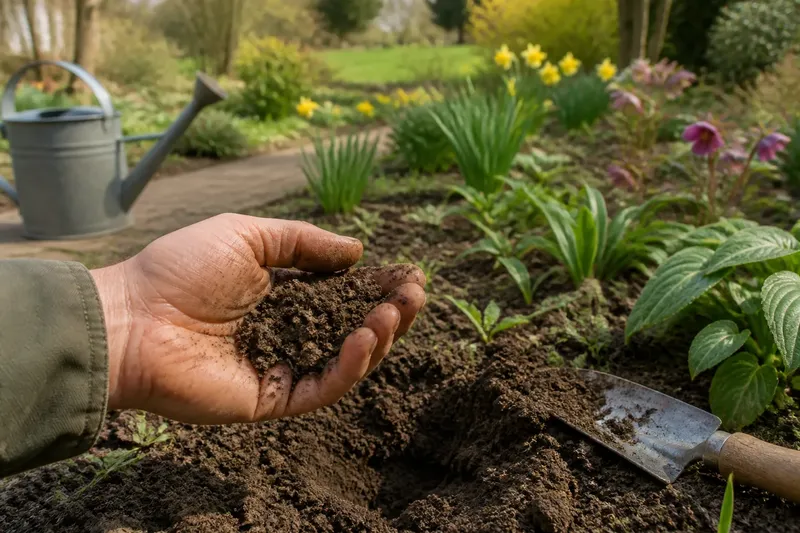
Walk the garden slowly and look at it from ground level as well as standing up. Note where rain leaves damp soil, where a wall or hedge shelters a corner, and where the sun reaches for much of the day. These small differences are useful habitat, not evidence that the garden needs a complete redesign.
Pay attention to what is already growing. A flowering patch can feed visiting insects, while seed heads left standing may offer food later. A shrub with low branches can provide cover; a bare strip of soil can be useful to ground-nesting insects. The point is not to make every square foot serve wildlife. It is to preserve a mix of conditions.
Keep a simple note of what you see and where. A short list such as “damp by the downspout” or “sunny beneath the fence” is enough to guide the next decision.
Keep some ground covered
Once you have noticed the garden’s existing patches, resist the urge to clear them all at once. Fallen leaves can shelter small invertebrates and help protect the soil. Leave a modest layer beneath shrubs or along a quiet boundary, while keeping paths and frequently used areas clear. If leaves mat down in a way that harms a plant, move some rather than treating the whole garden as a single cleanup job.
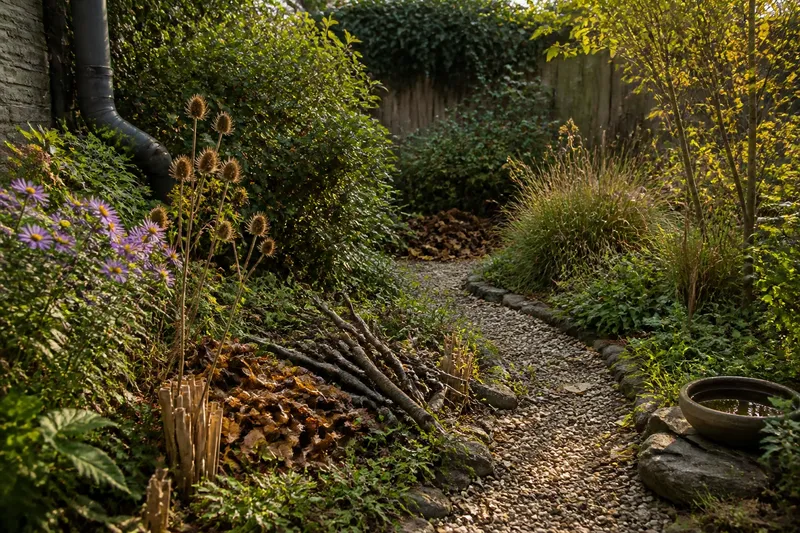
Small piles of twigs and dry stems can provide hiding places, too. Set them somewhere they will not block access or become a nuisance, and avoid putting diseased plant material there. A hollow plant stem left standing through the colder months is a different kind of shelter from a damp leaf layer; variety matters more than an elaborate pile built to a recipe.
Say you have a sunny border, a shaded fence corner, and a narrow path between them. You could leave seed heads in part of the border, gather sound fallen leaves beneath the fence, and keep the path clear. The expected visible result is a garden with both open access and sheltered pockets, rather than a uniformly cleared plot.
Build food across seasons
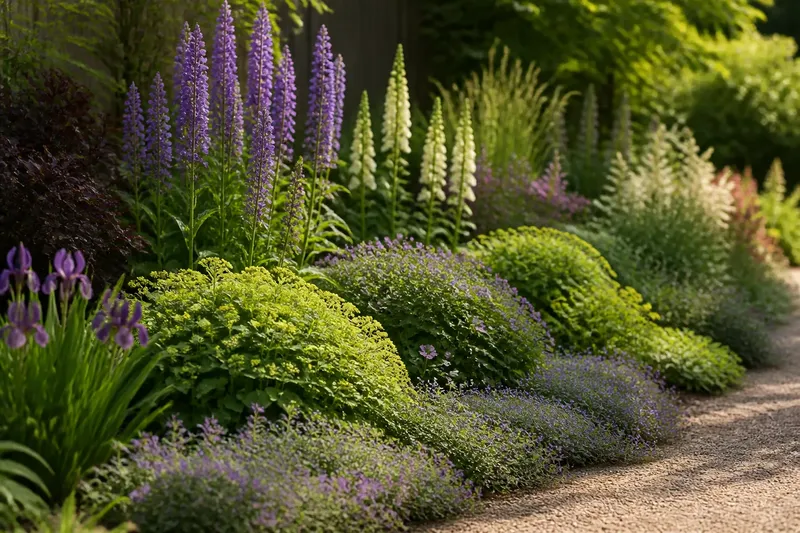
Food for wildlife is not just a matter of putting out a feeder. Flowers, seeds, fruit, and the insects that live among plants all form part of what a garden offers. Choose a mixture of plants that flower at different points in the growing season, and let some go to seed where their shape and location suit the garden.
When choosing plants, consider which ones thrive in the conditions you have already observed. A plant suited to a dry, sunny bed is more likely to remain useful there than one that needs constant attention in the wrong place. Native plants can be a sensible starting point for local wildlife, though a varied planting is more useful than a single fashionable species repeated everywhere.
Leave some flowers uncut after they fade if their seed heads remain attractive and healthy. Keep paths, doors, and sightlines usable; wildlife habitat need not require a person to step over a thicket to reach the compost bin.
Make small shelter choices
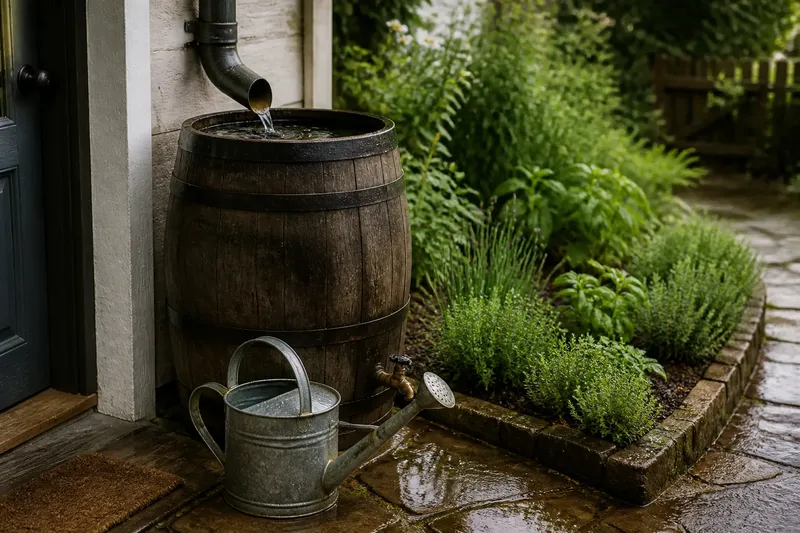
Look for ways to add shelter without turning the garden into a collection of purchased objects. A dense shrub, a hedge with a few less-trimmed sections, or a patch of long grass can provide cover. Bare soil in a quiet, sunny place may serve a different purpose. A shallow dish of clean water can help visiting wildlife, but it should be placed where it can be checked and refreshed easily.
Do not assume every creature needs the same arrangement. A bird may use a shrub for cover; an insect may benefit from stems or undisturbed ground. A pile of logs can be useful in a suitable spot, but it is not a substitute for flowers or varied vegetation. Add only what the garden can accommodate, and observe whether the feature remains practical to maintain.
Keep any water vessel stable and clean, and make sure it does not create a hazard for people or pets. For plant choices and wildlife features, follow product instructions and local guidance where they apply.
When should you tidy a wildlife garden?
Should I leave fallen leaves in the garden?
Leave some sound leaves in quiet places, especially beneath shrubs, rather than covering every bed. Move leaves away from plants that are being smothered and keep paths clear.
Do wildlife gardens need to look messy?
No. A garden can have defined paths and trimmed edges while keeping a few less-managed patches. The useful distinction is between deliberate access and clearing every source of shelter.
Which plants attract the most wildlife?
There is no single plant that serves every visitor. Choose plants suited to the site and combine flowers, shrubs, and plants that produce seeds or fruit, with flowering times spread through the season.
Should I buy a bug hotel?
A purchased shelter can suit a particular garden, but it is not a requirement. First consider whether the garden already has useful stems, leaves, bare ground, or woody cover, then add a structure only if it fits the available space and upkeep.
Adjust without resetting
Check your patches as the garden changes. A heap of leaves that was quiet in one season may need moving before it interferes with a bed; a shrub may become dense enough to provide cover without extra materials. Make one adjustment at a time so you can see what is practical and what the garden naturally supports.
Attracting wildlife to a garden is less about furnishing a perfect stay than maintaining a range of places to feed, hide, and rest. Keep the path you need, leave a few useful corners alone, and let the garden be uneven where unevenness has a purpose.
A small note beside the garden calendar can help: record which patches you left and what you noticed there. That gives next season’s decisions something better to work from than the annual urge to make everything look newly opened.